Transformative Capability

Change is constant, but the ability to drive change over time is what truly matters. Transformative capability is a continuous and business-critical effort.

When the pace of change outside the organization is faster than the pace of change within it

In many industries, the rules of the game are changing faster than organizations’ ability to adapt. Customer value is shifting, new technology is creating new opportunities, and what once drove success may become a future limitation.

To remain relevant, it is no longer enough to optimize what already exists. Organizations also need to explore new possibilities, make decisions in uncertainty, and adapt as conditions change. They need to develop the organizational muscle that enables them to deliver value today while creating value for tomorrow.

Transformative capability is an organization’s ability to continuously renew itself, adapt to changing conditions, and turn new opportunities into real impact.

Three key factors for making transformation happen

1. A strong transformation narrative that creates direction and engagement

Transformation needs to start with a story that people understand, believe in, and can carry forward. A strong transformation narrative is not built solely on internal plans, numbers, or cost reductions. It puts the organization’s future relevance at the center and connects change to customers, markets, and the wider ecosystem.

When the narrative is clear, it becomes a shared language for direction, priorities, and decisions. It helps leaders and key roles translate strategy into what change actually means for different parts of the organization. For the narrative to have real impact, leadership needs to bring it to life in everyday work. This requires the ability to actively reprioritize time and behaviors to create direction in uncertainty, build trust for learning and collaboration, and balance today’s delivery with tomorrow’s innovation.

2. An integrated and fit-for-purpose structure and culture

Change often gets stuck when the organization’s structure says one thing, while its culture rewards something else. Transformative capability therefore requires structure and culture to develop together.

Structure creates direction, mandate, roles, governance, and follow-up. Culture creates trust, collaboration, learning, and the courage to act in uncertainty. When these two perspectives work together, the organization can create clarity while enabling adaptation. When structure and culture reinforce each other, they create the conditions for collective intelligence, the organization’s ability to share, integrate, and translate knowledge across organizational boundaries in order to make use of different perspectives, learn faster, and make better decisions.

3. Robust analytics to drive transformation

For transformation to create real impact, the organization needs to understand whether change is leading to the desired value. This requires relevant goals, data, follow-up, and the ability to act on insights.

Robust analytics is not only about reporting. It is about creating learning loops where the organization can measure what matters, understand obstacles, adjust initiatives, and allocate resources based on what actually works.

This makes transformation more adaptive, more business-oriented, and more sustainable over time

Our experience and cases

We know what leaders need to know about culture to succeed. Join us!

Executing a Complex R&D Carve-Out and Workforce Transition

The transition involved a new legal structure, updated HR processes, and coordination with a centrally managed transition program. The assignment focused on ensuring that HR services, HR systems, and employee transfer processes were in place and fully o...

HR Operating Model Transformation and Redundancy Execution

As part of a global Service Operations transformation, a major industrial company initiated the centralization of transactional HR services to a European hub. The objective was to harmonize processes, reduce cost, and enable a more advisory-focused Peop...

From Local Execution to Centralized Service Operations

A global industrial company initiated a Service Operations transformation to harmonize processes, streamline IT architecture, and enable centralized delivery of transactional HR services. The objective was to reduce cost, improve quality, and create a m...

Strategic Development of Leadership and Employee Learning Programs

To meet increased demands on leadership capability and execution power, comprehensive development material was created for managers, leaders, and employees. The work built on earlier collaborations, including the development of a leadership profile, lea...

AI Upskilling Program to Strengthen Adoption and Impact

A global industrial company had invested in Microsoft Copilot and aimed to increase AI adoption across the organization while enabling smarter collaboration within Microsoft 365 (Teams, Outlook, PowerPoint, Excel, etc.). An AI Upskilling Program had be...

Redesigning the operating model to strengthen profitability and execution

A national non-profit organization and its regional associations jointly operated a commercial training business—without a formal agreement or clearly defined operating model. Increasing competition and internal inefficiencies reduced profitability and...

Building a Competitive EVP in a Talent-Constrained Healthcare Market

A rapidly expanding healthcare provider, with ambitions to become the industry’s most attractive employer, faced structural and financial pressure following an acquisition. The acquired entity operated under a collective agreement, while the existing bu...
Become a part of a unique culture where we want to change the industry.

Do you want to hear more?

Would you like to learn more about Transformational Capability or Influence People? We'd love to hear from you and tell you more.

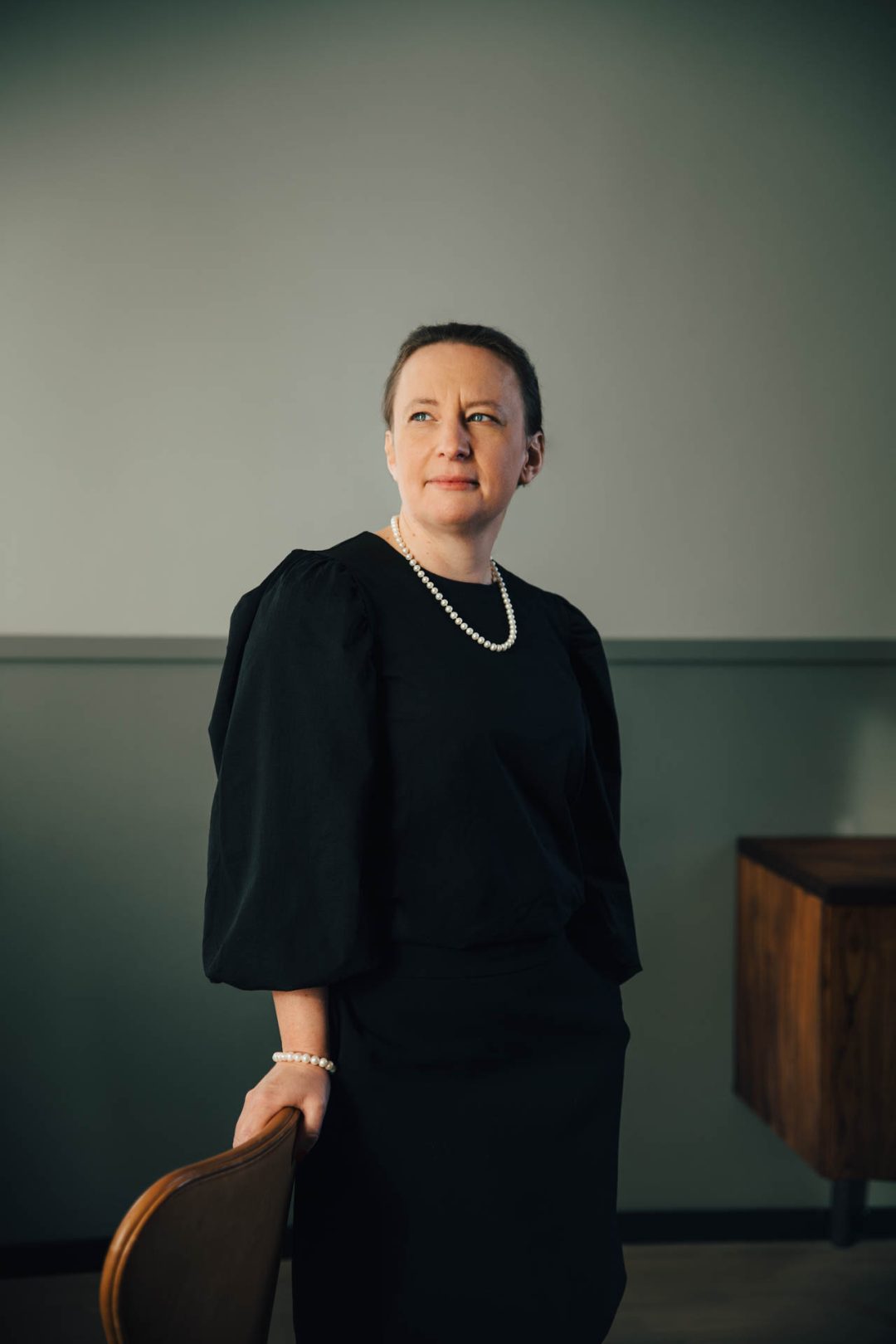
Contact Petra Ehle,  petra.ehle@influencepeople.se
Connect with me!

This website uses cookies

Cookies ("cookies") consist of small text files. The text files contain data which is stored on your device. To be able to place some type of cookies we need your consent. We at Influence People Sweden AB, corporate identity number 559227-9300 use these types of cookies. To read more about which cookies we use and storage duration, click here to get to our cookiepolicy.

Manage your cookie-settings

Necessary cookies

Check to consent to the use of Necessary cookies
Necessary cookies are cookies that need to be placed for fundamental functions on the website to work. Fundamental functions are for instance cookies that are needed for you to use menus and navigate the website.

Statistical cookies

Check to consent to the use of Statistical cookies
To know how you interact with the website we place cookies to collect statistics. These cookies anonymize personal data.

Ad measurement cookies

Check to consent to the use of Ad measurement cookies
To be able to provide a better service and experience we place cookies to tailor marketing for you. Another purpose for this placement is to market products or services to you, give tailored offers or market and give recommendations on new concepts based on what you have bought from us previously.

Ad measurement user cookies

Check to consent to the use of Ad measurement user cookies
In order to show relevant ads we place cookies to tailor ads for you

Personalized ads cookies

Check to consent to the use of Personalized ads cookies
To show relevant and personal ads we place cookies to provide unique offers that are tailored to your user data